
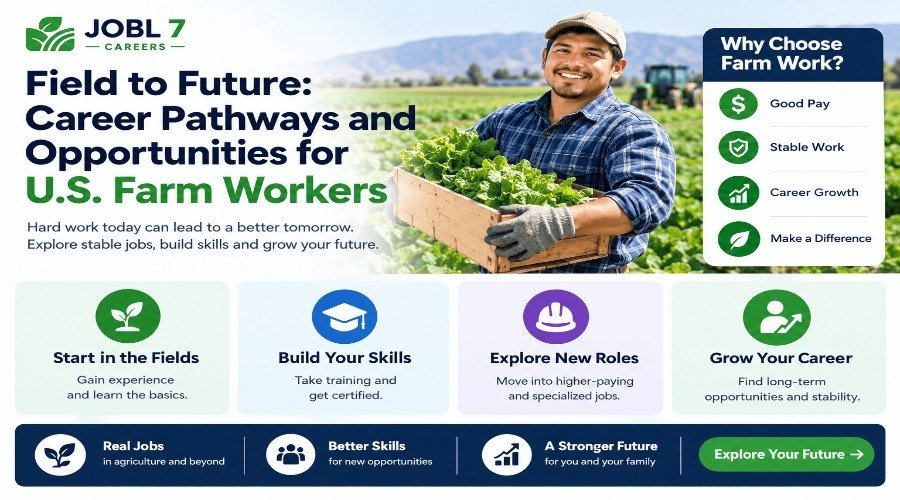
Farm work can be the starting point for a long and varied career for people who enjoy physical work, the outdoors, and being close to how food is grown and produced. However, building a stronger career is not only about putting in more hours in the field. Farm workers also need practical skills, reliable performance, and a clear way to show employers their value.
Employers looking for long-term, higher-paid workers often want more than someone who can complete basic tasks. They may value reliability, equipment knowledge, safety awareness, leadership potential, and the ability to take on more responsibility over time.
By developing these areas, farm workers can improve their chances of moving into higher-paying roles and building a more stable, long-term career in agriculture.
Understand How Farm Worker Income Works
Farm workers do not all earn the same amount. Income can depend on experience, location, type of farm, crop or livestock specialty, employer, season, and the specific tasks performed.
A farm worker’s income may come from:
Hourly field or harvest work
Piece-rate harvesting
Livestock and dairy work
Equipment operation
Irrigation and crop maintenance
Packing house or processing work
Supervisory or crew lead roles
Specialized agricultural trades
Seasonal bonuses or overtime
It is important to understand that farm work can involve seasonal changes in both hours and income. A worker may earn more during a busy harvest period but have fewer working hours during slower parts of the year.
Illustrative Monthly Income Ranges
The following figures are illustrative examples, not guaranteed wages. Actual income can vary significantly by state, employer, crop type, season, hours worked, and local labor market conditions.
Career Level Illustrative Monthly Gross Income
Entry-Level Field Worker $1,800–$2,600
Experienced Field or Equipment Worker $2,600–$3,800
Crew Lead or Skilled Operator $3,500–$5,000
Farm Supervisor or Manager $4,500–$7,000+
These figures should not be interpreted as standard U.S. wages for every worker or location.
Gross income is also different from take-home income. Housing, transportation, tools, licensing, taxes, and other costs can reduce the amount a worker ultimately keeps.
Build Skills That Employers Value
A farm worker needs more than the ability to perform repetitive physical tasks. Employers may value workers who understand equipment, follow safety procedures, communicate effectively, and adapt to different crops, seasons, or livestock needs.
Important skills can include:
Equipment operation and basic maintenance
Irrigation systems
Crop or livestock handling knowledge
Safety procedures and hazard awareness
Time management during harvest periods
Basic record-keeping
Teamwork and communication
Problem-solving in changing field conditions
Physical stamina and endurance
Bilingual communication, where relevant
For example, a worker who can safely operate machinery and perform basic equipment upkeep may be able to take on more responsibility than someone who performs only manual tasks.
Choose a Clear Agricultural Specialty
Trying to be available for every type of farm task can make it harder to demonstrate a specific area of expertise.
Instead, workers can gradually develop skills around a particular type of agricultural work.
Potential specialties include:
Row crop or field harvesting
Orchard and vineyard work
Livestock and dairy operations
Greenhouse and nursery work
Irrigation and water management
Equipment operation and agricultural mechanics
Packing, sorting, and processing
Organic or specialty crop production
Crew leadership and supervision
Developing a specialty does not mean refusing other types of work. Instead, it helps employers understand what a worker can reliably handle.
Build a Strong Work Record and Reputation
A strong work history can be important when seeking better positions. Employers offering greater responsibility generally want to know what a worker has actually done and whether they can be trusted with additional duties.
A farm worker’s record should clearly show:
Reliability and attendance
Specific tasks and equipment experience
Safety awareness and work habits
Willingness to take on additional responsibility
Certifications or training completed
References from previous employers
Workers should avoid overstating experience or claiming skills they have not actually developed.
Instead, it is better to clearly explain what they have done and what they are prepared to learn.
Habits That Can Help Build a Good Reputation
Small workplace habits can make a significant difference over time.
These may include:
Consistent attendance and punctuality
Careful and safe work practices
Willingness to learn new tasks
Clear communication with supervisors
Respect for equipment and property
Ability to adapt to seasonal demands
Professional conduct with coworkers
A worker who consistently demonstrates these qualities may be more likely to receive additional responsibilities or consideration for more stable positions.
Use Training Programs to Expand Opportunities
Farm workers do not have to rely entirely on on-the-job experience.
Depending on location and eligibility, workers may have access to training and educational opportunities such as:
Agricultural extension office training
Equipment safety certifications
Pesticide handling or applicator licensing
Community college agriculture courses
Apprenticeship programs
Workforce development programs
English-language or vocational classes
Training is most useful when it connects directly to the type of agricultural work available in the worker’s region.
For example, equipment-related training may be more useful for someone pursuing machinery operation than a course unrelated to their intended career path.
Relevant training can demonstrate readiness and give employers greater confidence when assigning additional responsibilities.
Explore Different Types of Farm Work
Not every worker wants or is suited to the same type of agricultural role. Understanding different career options can help workers choose a direction that matches their interests and abilities.
Type of Work Potential Fit
General Field Labor Workers starting out or seeking seasonal opportunities
Equipment Operation Workers interested in machinery and mechanics
Livestock and Dairy Work Workers interested in animal care
Crew Leadership Experienced workers ready to supervise others
Specialized Crop Work Workers interested in developing commodity-specific skills
The right path depends on personal interests, physical considerations, local opportunities, experience, and long-term goals.
Track Income and Personal Costs
Understanding income is especially important in agricultural work because hours and earnings can change throughout the year.
Workers can keep records of:
Hours worked
Hourly or piece-rate earnings
Overtime
Housing and transportation costs
Tools and equipment expenses
Taxes and other deductions
Seasonal gaps in employment
Savings for slower periods
For example, higher earnings during a peak harvest period may need to cover expenses during months when fewer hours are available.
Therefore, planning income across the entire year can be just as important as looking at the hourly or monthly pay rate.
Continue Learning and Building Qualifications
Agricultural work continues to change as farms adopt new equipment, technology, production methods, and safety practices.
Depending on the career path, useful areas of development may include:
Modern agricultural equipment and technology
Irrigation and water conservation
Workplace safety and hazard prevention
Pesticide and chemical handling regulations
Supervisory and leadership skills
Record-keeping and reporting
Sustainable or organic farming methods
Basic business skills for workers interested in independent farming
Recognized certifications and completed training can also help demonstrate a worker’s commitment to learning.
Workers should focus on qualifications that are relevant to the crops, livestock, equipment, and agricultural employers in their region.
Build a Long-Term Career in Agriculture
Farm work does not necessarily have to remain an entry-level occupation. With experience, training, and increasing responsibility, workers may be able to move into more specialized or supervisory positions.
One possible career progression is:
Field Worker → Experienced or Specialized Worker → Equipment Operator or Crew Lead → Farm Supervisor → Farm Manager or Independent Grower
Other potential directions can include:
Agricultural mechanics
Irrigation specialists
Livestock specialists
Equipment technicians
Agricultural education or extension-related roles
Farm operations management
Independent farming or land leasing
Not every worker will follow the same path. Career progression depends on experience, skills, local opportunities, financial resources, education, and personal goals.
Frequently Asked Questions
How can farm workers move into higher-paying roles?
Workers can improve their opportunities by developing specialized skills, building a reliable work record, completing relevant training or certifications, and demonstrating that they are ready to take on additional responsibilities.
How much can a farm worker earn per month?
Monthly income varies widely depending on location, experience, employer, type of agricultural work, season, and hours worked. The income ranges in this article are illustrative examples rather than guaranteed wages.
What agricultural specialties can help workers advance?
Equipment operation, irrigation, livestock care, crew leadership, and specialized crop production can provide potential opportunities for advancement. Demand varies by region and season.
Can farm workers access training to build their skills?
Yes. Depending on location and eligibility, workers may have access to agricultural extension programs, safety training, vocational education, community college courses, apprenticeships, or workforce development programs.
Is farm work a good long-term career?
Farm work can provide a meaningful career path for people who enjoy agricultural environments and hands-on work. Long-term advancement generally requires more than physical labor alone. Reliability, skill development, safety awareness, relevant training, and increasing responsibility can all contribute to career growth.