
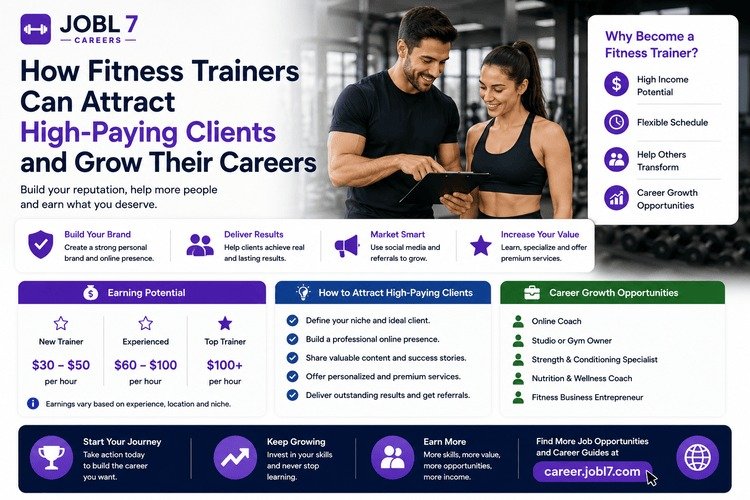
Fitness training can become a strong career for people who enjoy exercise, coaching, and helping clients reach their goals. However, earning more is not only about adding more sessions to your schedule. Trainers also need strong skills, professional service, and a clear way to show their value.
High-paying clients often look for more than basic workout plans. They may want personalized coaching, accountability, convenient scheduling, progress tracking, and a professional experience. By improving these areas, fitness trainers can attract better clients and build a more sustainable career.
Understand How Fitness Trainer Income Works
Fitness trainers do not all earn the same amount. Income can depend on experience, location, qualifications, employment type, client base, and the services offered.
A trainer’s income may come from:
Personal training sessions
Small-group training
Online coaching
Fitness programs
Specialized coaching
Gym employment
Private studio work
Corporate wellness programs
Training packages
Illustrative Monthly Income Ranges
The following figures are illustrative examples, not guaranteed salaries. Actual income can vary significantly by country, city, experience, hours worked, client demand, and business expenses.
Career Level Illustrative Monthly Gross Income
Entry-Level Trainer $2,000–$3,000
Experienced Trainer $3,000–$5,000
Specialized Trainer $4,000–$7,000+
Established Private Trainer $5,000–$10,000+
A trainer’s gross income is not the same as take-home income. Gym fees, equipment, insurance, transportation, marketing, software, taxes, and other business costs can reduce the final amount.
Build Skills That Clients Value
A fitness trainer needs more than knowledge of exercises. Clients often value trainers who can explain movements clearly, create realistic programs, and adjust workouts according to individual needs.
Important skills include:
Exercise programming
Strength and conditioning
Mobility training
Client communication
Progress tracking
Goal setting
Basic fitness assessment
Coaching and motivation
Time management
Professional customer service
For example, a trainer who understands how to adjust a workout for a beginner may provide more value than someone who simply gives every client the same routine.
Choose a Clear Fitness Niche
Trying to serve everyone can make it harder to stand out.
Instead, trainers can develop expertise around a specific type of client or training goal.
Potential niches include:
Strength training
Weight management
Senior fitness
Beginner fitness
Sports conditioning
Mobility and flexibility
Online personal training
Small-group training
Corporate fitness
General wellness
A niche does not mean refusing all other clients. Instead, it helps communicate what you are especially good at providing.
Attract High-Paying Clients With Professional Positioning
Higher-paying clients usually want to understand what they are paying for.
A trainer’s professional profile should clearly explain:
Who they help
What type of training they provide
What makes their service different
How sessions are delivered
What clients can expect
What qualifications they hold
Avoid making unrealistic promises such as guaranteed weight loss or specific physical results.
Instead, explain your training process and focus on realistic, measurable goals.
Create a Strong Client Experience
Client retention can be just as important as finding new customers.
A professional experience may include:
Personalized workouts
Regular progress reviews
Clear communication
Appointment reminders
Exercise demonstrations
Training records
Reasonable scheduling flexibility
A clean training environment
Professional behavior
Small improvements can make clients feel that their training is organized and personalized.
As a result, satisfied clients may be more likely to continue training or recommend the trainer to others.
Use Online Platforms to Expand Your Career
A trainer no longer needs to rely entirely on a local gym.
Online coaching can allow trainers to work with clients outside their immediate area, depending on applicable professional and legal requirements.
Trainers can use online platforms to share:
Educational fitness content
Workout demonstrations
Training tips
General exercise guidance
Client progress systems
Coaching information
However, online content should provide real value rather than simply promoting a service in every post.
Educational content can help demonstrate knowledge and give potential clients a reason to trust a trainer.
Offer Different Service Options
Not every client wants the same level of support.
A trainer could potentially offer different services, such as:
Service Suitable For
One-to-One Training Clients wanting personal attention
Small-Group Training Clients who prefer shared sessions
Online Coaching Clients needing remote support
Training Programs Clients who want structured workouts
Premium Coaching Clients wanting more personalized support
The exact pricing should depend on the trainer’s market, qualifications, experience, costs, and service level.
Track Income and Business Costs
Fitness trainers should understand where their money comes from and where it goes.
Track:
Number of clients
Sessions completed
Revenue
Cancellations
Client retention
Marketing costs
Equipment costs
Facility fees
Insurance
Taxes
Online platform costs
For example, increasing the number of sessions may raise revenue, but it can also create a packed schedule and leave less time for administration, marketing, or recovery.
Therefore, increasing income should not always mean working more hours.
Continue Learning and Building Qualifications
Fitness trends change, and clients may expect trainers to keep improving their knowledge.
Depending on the career path, useful development areas may include:
Strength and conditioning
Exercise science
Nutrition education within an appropriate professional scope
Mobility
Sports performance
Older-adult fitness
Correct exercise technique
Business management
Digital coaching
Recognized certifications and continuing education can also help demonstrate professionalism. Trainers should use qualifications that are relevant and recognized in the market where they work.
Build a Long-Term Fitness Career
A fitness trainer can eventually move beyond individual sessions.
Possible career paths include:
Fitness Trainer → Experienced Personal Trainer → Specialist Coach → Senior Trainer → Fitness Manager or Independent Trainer
Some professionals may also develop online coaching businesses, open private studios, work with organizations, or train other fitness professionals.
The best route depends on skills, interests, qualifications, and business goals.
Frequently Asked Questions
How can fitness trainers attract high-paying clients?
Trainers can improve their positioning, specialize in a clear niche, provide personalized coaching, build a professional reputation, and demonstrate their expertise through useful educational content.
How much can a fitness trainer earn per month?
Monthly income varies widely. Experience, location, client volume, specialization, pricing, employment type, and business expenses can all affect earnings. The illustrative ranges above should not be treated as guaranteed salaries.
What fitness specialties can help trainers grow?
Strength training, sports conditioning, senior fitness, mobility, online coaching, and other specialized services may provide additional career opportunities. Demand varies by market.
Can fitness trainers make money online?
Yes, trainers may offer online coaching, structured programs, educational content, or remote fitness services. The services offered should match the trainer’s qualifications and applicable professional requirements.
Is fitness training a good long-term career?
It can be a rewarding career for people who enjoy coaching and working with clients. Long-term success usually requires more than exercise knowledge. Communication, client retention, business skills, continued education, and professional service can all contribute to career growth.